
3 Keys to Healthy Hooves
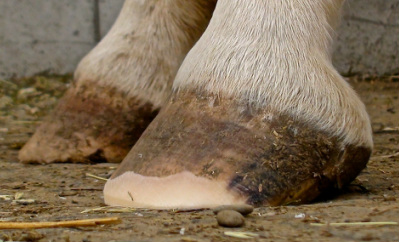
Barefoot Trimming
Environment
- The internal structures of the hoof must be developed to achieve proper energy dissipation, hoof flexion or optimal circulation. This development can only be accomplished by proper hoof mechanism, including, but not limited to the independent flexion of the heels; the hoof is properly balanced during routine trimming and proper exercise. The hoof must be stimulated by thousands of firm pressure and release heel first impacts to develop the fibrocartilage in the digital cushion and create heavily callused frogs.
- The two goals of a barefoot trimmer are: (i) do not harm - the horse should feel the same or better after the trim and (ii) the horse should spend the next 4-5 weeks growing a better hoof than he had before the trim.
- The diet of the horse is one of the most important, but most commonly overlooked factors in growing health hooves. A carbohydrate rich diet results in obesity and all the health problems associated with it including laminitis in the hoof. The horse’s diet should be low in carbohydrates consisting primarily of hay low in sugar with balanced mineral supplements. The horse will always protect the internal organs so if the horse develops health problems you will see the problem first in the hooves.
Environment
- A horse’s hooves are a reflection of adapting to their environment. Horses kept in an environment that is a soft, wet and deeply yielding will have hooves that are soft, wet and weak. The horse’s environment needs to be as dry and clean as possible to develop sound healthy hooves.